
A business defines the product, message and intended audience.

Core module · Board
Qualified attention has more value than random reach.
Board lets a business present a product campaign to a relevant audience, guide the user through product information, ask a short set of questions and attach value to successful participation.
Why it had to exist
Advertising reach was not the same thing as relevant participation. An impression could not show that the right person actively processed a product message.
Primary job
Turn campaign exposure into a bounded product-learning interaction and a distinct, interpretable signal.
The four-question and 20-second pattern is useful historical product detail. Its exact timer, count, targeting scope and reward accounting remain version-sensitive.
Core mechanism
From friction to a usable product flow.
Pulino/context signals can inform eligibility for the campaign.
The user actively reviews product information before questions.
Valid completion can create a configured reward event and analytics signal.
Product problem
The goal was not simply to show more ads.
Board reframed a campaign as an interaction: reach a better-fit audience, explain the product, ask for active response, return value to the participant and retain a usable signal.
Relevant audience
Broad exposure can spend value on people with little relationship to the product or category.
Product interaction
Information, questions and completion create a stronger event than passive exposure alone.
Rewarded participation
A business-funded event makes qualified attention economically visible and routes value toward Pulino.
Campaign design
The business first defines who the campaign is actually for.
Profession, interests, skills, location and combined context demonstrate possible relevance criteria. The public examples explain targeting logic, not proof every filter was active simultaneously in the measured MVP.
Profession
A campaign may be relevant because of the user's working context or business role.
Interest and skill
Product relevance may come from an explicit category interest, capability or learning context.
Location and combination
Local campaigns and multi-factor eligibility show how different context signals can work together.
Constraint-shaped design
In a limited launch context, one interaction had to carry more value.
Board connected product education, participation value and evidence discipline in one bounded flow. It gave a business a way to explain before asking, gave the user a reason to participate, and preserved a signal without treating a short quiz as proof of purchase or expertise.
Explain before measuring
When a product or local business may not already be familiar, campaign content has to create enough context before any question can be meaningful.
Reward defined effort
The value event belongs to the completed interaction under applicable rules—not to an anonymous impression or an assumed future purchase.
Keep the signal separate
Board response can inform Analytics while remaining distinct from Follow, identity, professional capability and commerce outcomes.
Learning flow
The questions come after the product information.
Board is stronger as product learning than as a trivia game. The user first encounters campaign content, features or explanation; the questions then refer to that interaction.
Target
Define the applicable audience before exposure.
Explain
Present enough product information for an intentional interaction.
Ask
Use a short campaign-specific question sequence to test active engagement.
Reward and learn
A valid completion can create a value event and a separate behavioral signal.
Historical mechanic
Four questions. A short timer. A clear completion state.
The source describes a four-question interaction with a 20-second timer and a reward for correct completion. The current demo's discovery, learning slides, quiz and win/lose states are a modern reconstruction—not historical screenshots or measured production data.
Signal meaning
A Board completion is stronger than an impression—and narrower than expertise.
It supports active engagement with campaign content and interaction-specific comprehension where the mechanic is valid. It does not by itself prove professional identity, durable knowledge, conversion or purchase.
Better than served
The product content was deliberately reviewed rather than merely displayed.
Campaign-specific response
Questions were answered about the defined interaction, creating a bounded signal.
Do not inflate it
Completion is not universal expertise, perfect targeting, guaranteed persuasion or ROI.
System relationship
Pulino qualifies the audience. Board qualifies the interaction.
Board remains independently reviewable. Inside Mazzaneh, explicit context can inform audience relevance, the reward enters the value loop, and campaign responses become a distinct signal for Analytics.
Product view · 01
Target → explain → ask → reward → learn.
The load-bearing value is the complete campaign and product-learning journey, not a timer or quiz detail in isolation.
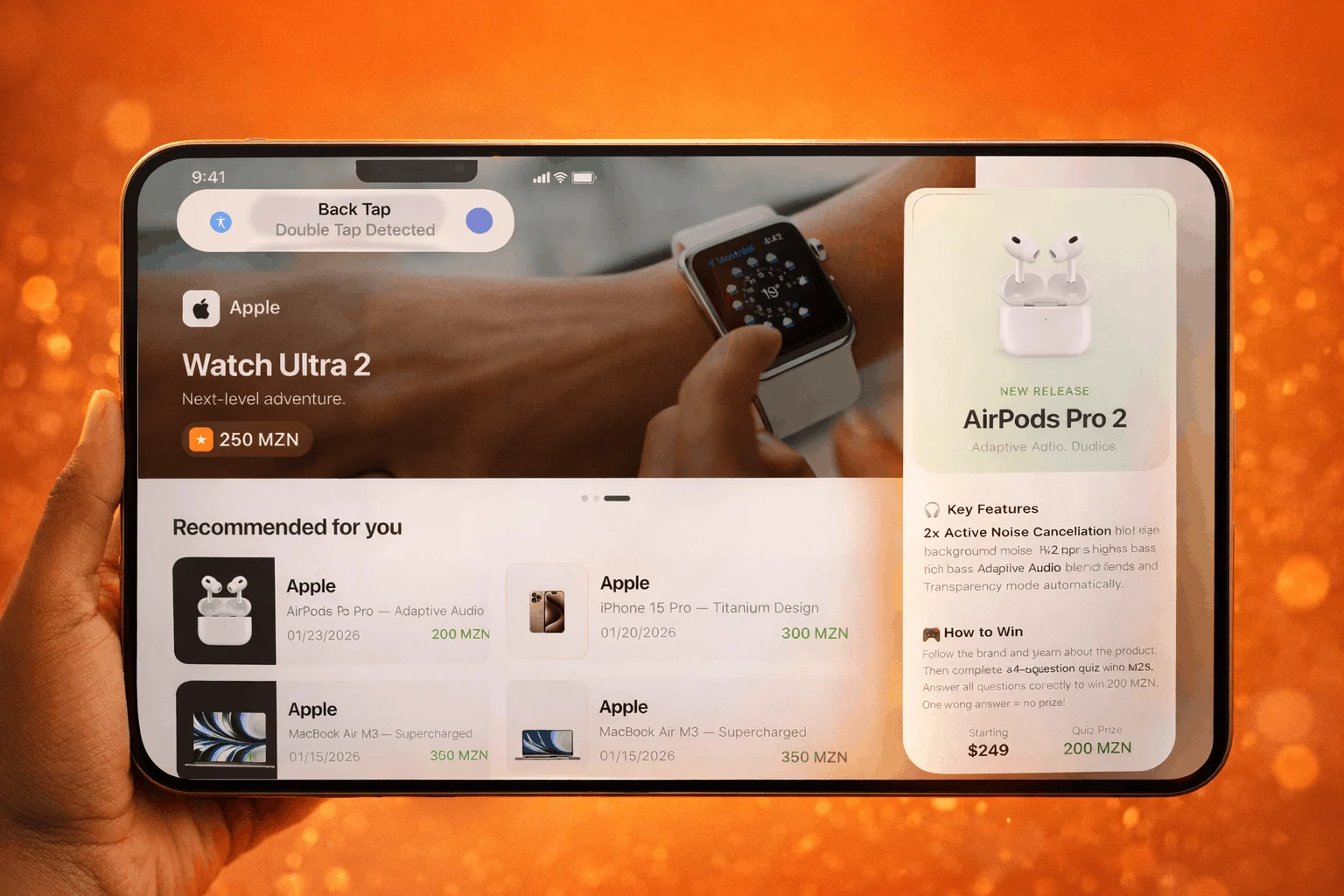
Interactive reconstruction · not historical UI
See the full Board interaction.
The product is explained first. Then four campaign-specific questions turn passive exposure into a bounded participation event. Try a wrong answer as well as a correct one—the demo keeps those states distinct.
4 questions · Source-described pattern
20 seconds · Historical design reference
Reward event · Illustrative and rule-dependent
Source-described demo reference
Keep the historical interaction pattern visible beside the newer reconstruction.
DevFlow — campaign coordination
A compact campaign workspace helps a marketing team plan tasks, coordinate content workflow and track approvals before publishing.
Plan campaign tasks · Coordinate content workflow · Track approvals
Marketing professional · Qualified campaign · Step 2 · Question 1 of 4 · 20 sec · source design
Which feature helps a team coordinate the campaign workflow?
Choose an answer to continue. The exact content is a reconstruction aid; the load-bearing claim remains the bounded product-learning interaction.
Product view · 02
Keep the reward event bounded.
Value attaches to the defined campaign interaction. It does not prove persuasion, conversion, lasting recall or business ROI.

Product view · 03
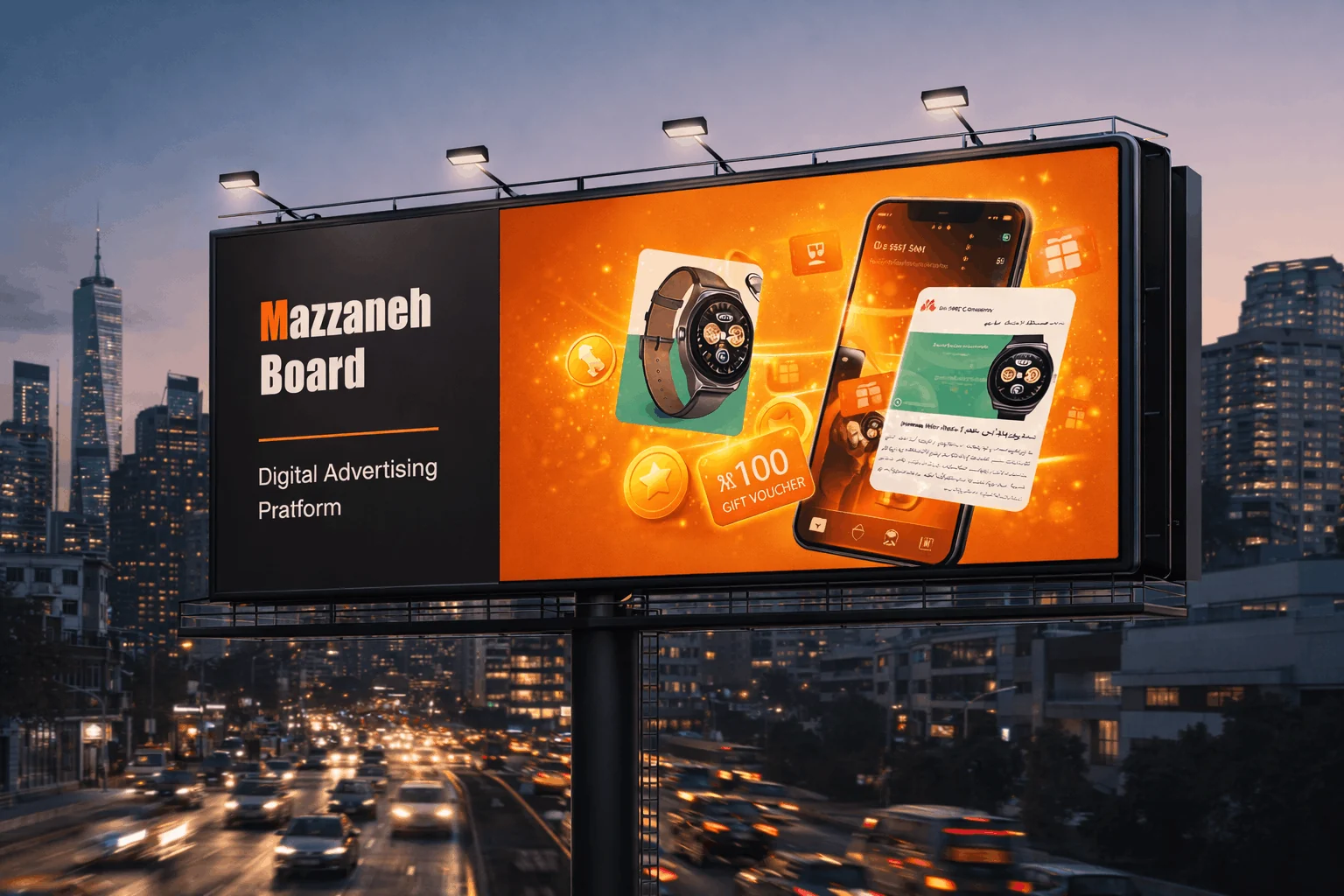
Campaign logic can extend beyond a single screen.
Board can also be read as a broader media logic: present product context, ask for active response and keep the event meaningful enough for later learning.
What the page can establish
Mechanism first.
Performance requires evidence.
- A campaign + learning + questions + reward product mechanism.
- Relevance criteria that can be informed by Pulino/context.
- The historical four-question / 20-second pattern as a versioned mechanic.
- A distinct interaction signal, stronger than an impression and narrower than expertise.
- A clear path from audience qualification through reward state to Analytics.
Connected systemPulino audience→Campaign learning→Board response→Reward event→Analytics
Claim boundary
Keep the mechanism; narrow the interpretation. Exact targeting, timers, question counts, brands, reward values and accounting are version-sensitive. Board does not prove expertise, perfect understanding, guaranteed conversion or ROI.